
What Should You Do If Houston Police Want to Question You?
By Sam R. Cammack III, Houston criminal defense attorney
If police want to question you about a crime that could involve you, speak with a criminal defense lawyer before agreeing to an interview. Ask whether you are free to leave. If you are, you can decline a voluntary interview and leave calmly. If you are detained, do not try to leave or resist. Clearly state that you want a lawyer and do not want to answer questions about the alleged offense.
An invitation to explain your side can feel like a chance to clear everything up. Before you accept, find out what the conversation involves and get advice about your position. A voluntary conversation can still produce evidence used in a criminal case.
I have been licensed in Texas since 2002, and my background includes serving as a felony prosecutor in Harrison County. In my Houston criminal defense practice, I examine the evidence behind an accusation before advising a client how to respond. That includes asking what investigators actually know and what they are trying to establish through an interview.
Is the interview voluntary, or are you in custody?
A detective may call, leave a card, come to your home, or ask you to visit an office. Start by asking whether this is a request for a voluntary interview. An invitation and a subpoena are different things. If you receive a subpoena, warrant, or court order, send the document to counsel promptly rather than treating it as an optional appointment.
Miranda warnings generally apply to custodial interrogation. Police do not have to read those warnings before every conversation. In Oregon v. Mathiason, the Supreme Court explained that an interview at a police station does not automatically amount to custody. The circumstances of the encounter matter.
Ask, “Am I free to leave?” If the officer says yes and you do not want to participate, leave calmly. If the answer is no or the situation is unclear, do not push past officers or turn the encounter into a physical confrontation. State your request for counsel and avoid discussing the alleged offense.
Whether an encounter legally qualifies as custody requires more than checking whether someone used the word “arrest.” Tell your lawyer where questioning occurred, whether exits were blocked, what officers said about leaving, and any restrictions imposed on you.
What if the detective says I am only a witness?
Being described as a witness does not tell you everything about your possible exposure. If your answers could implicate you, or you are uncertain about your role, get advice before an interview. Write down the detective's request accurately. Do not guess at facts or coordinate your account with other witnesses.
This guide concerns adults seeking advice about potential criminal exposure. Reporting an emergency, responding to immediate safety needs, juvenile questioning, and complying with a subpoena can involve different considerations. Tell counsel which situation you are facing.
Ask for counsel clearly, without relying on a formula
A clear statement is more useful than a hint. You can say, “I want a lawyer. I do not want to answer questions about the case.” You do not need to recite a paragraph from the internet or argue about case law at the scene.
In Davis v. United States, the Supreme Court held that an ambiguous reference to counsel did not require officers to stop questioning after a Miranda waiver. In Berghuis v. Thompkins, prolonged silence did not itself clearly invoke the right to remain silent. These decisions concern the Miranda interrogation setting; they should not be reduced to a claim that every police encounter follows identical rules.
After asking for counsel, do not add an explanation of the incident to soften the request. Keep necessary medical and safety communications clear, and provide legally required identifying information accurately. Refusing an interview does not authorize false information or disobedience of lawful orders.
If officers continue asking about the alleged offense, avoid debating with them. Tell your lawyer what you said, what happened afterward, and whether you signed or acknowledged any rights form.
Do not make an interview decision based only on an officer's claims
An investigator may say that another person has already confessed, that a camera recorded you, or that cooperating will help. Do not treat those statements as a complete account of the evidence or a binding agreement about charges.
In Frazier v. Cupp, the Supreme Court considered a false statement about an alleged accomplice's confession as one part of the circumstances and did not find it sufficient to make the confession involuntary. That does not mean every deceptive tactic, threat, or promise is lawful. Counsel must examine the particular conduct and applicable law.
My advice is to avoid guessing about what investigators have. An explanation given under pressure can contain an incorrect time, an assumption presented as fact, or an unnecessary admission. Tell your lawyer what you actually remember and identify what you are unsure about.
There may be circumstances in which providing information is part of a sound defense strategy. That decision should follow legal advice about the evidence, risks, and terms of the proposed communication. A casual assurance that an interview will “clear things up” is not enough to make that decision.
An interview request and a search request are separate issues
An officer may ask to look through a phone, enter a home, or search a vehicle during the same encounter. Ask whether the officer is requesting your consent. If you do not consent, state that clearly and calmly.
Declining consent does not physically prevent a search, and officers may assert a warrant or another legal basis. Do not interfere. Ask for a copy of any warrant and give counsel the paperwork and your account of what occurred. Search authority and the admissibility of resulting evidence need their own analysis.
For a phone, tell counsel whether investigators requested the device, a passcode, biometric access, a consent form, or particular records. Those are not interchangeable requests. Do not delete messages, remotely erase a device, or change records to keep them from investigators.
The search itself can become a central issue in a defense. My representation of Charnesia Corley involved a Harris County roadside body-cavity search; her misdemeanor marijuana-possession and resisting-arrest charges were dropped. The Corley case account explains that specific matter. It is not a promise that another search challenge will produce the same outcome.
What I look at before advising a client about an interview
The first task is to identify the request. Which agency is involved? What incident is being investigated? Has the client already spoken? Are there existing charges, orders, or deadlines? Is the proposed interview voluntary?
From there, counsel can communicate with the investigator, clarify what information is being requested, and advise whether and how the client should respond. A lawyer cannot assume access to the entire investigative file before charges or guarantee that declining an interview will prevent an arrest.
Useful preparation includes:
- Preserving the original voicemail, text, email, business card, and any written request.
- Preparing a private timeline for counsel that separates personal recollection from information supplied by others.
- Identifying possible recordings, receipts, witnesses, and location records without altering them.
- Explaining employment, licensing, immigration, or other concerns that may affect decisions about the case.
Preservation can be time-sensitive. Camera retention periods differ between systems, so do not rely on a general promise that footage will remain available for a particular number of days.
David Barajas: the evidence must support the accusation
I represented David Barajas at his murder trial in Brazoria County, where the jury acquitted him in August 2014. The defense challenged the prosecution's proof of who fired the fatal shot. My case-results page provides the documented details.
That trial does not establish what someone should say in a different investigation. It illustrates the discipline behind the advice: examine the evidence before accepting an accusation or deciding how to respond. Every case has its own facts, and past results do not guarantee future outcomes.
If you already spoke to police, tell your lawyer exactly what happened
Do not assume that the case is lost, and do not contact the investigator again on your own to repair an answer. Save any recording or document you lawfully possess. Write a private account for counsel while your memory is fresh, including the questions, answers, warnings, breaks, and any promises or threats.
Under Miranda v. Arizona, custodial interrogation raises specific warning and waiver issues. The absence of warnings does not automatically dismiss a charge. Counsel must assess whether warnings were required and what consequences follow for the particular statement and case.
If an arrest follows, use my guide to what happens after an arrest in Harris County for booking, magistration, bond, and preparation for court. Our court and inmate resources can help your family locate records.
Do not discuss the facts on an ordinary jail call. The Harris County Sheriff's Office telephone policy describes monitoring and recording of outgoing calls and protections for designated attorney communications. Arrange a confidential attorney channel instead of assuming that involving a lawyer makes any call private.
Identify the agency and county before making assumptions
A call from Houston Police, the Harris County Sheriff's Office, another local agency, or a federal investigator may involve different authorities and procedures. Ask which agency is contacting you and share that information with counsel.
For a state case filed in Harris County, our Harris County defense guide explains the local court setting. If the paperwork names another jurisdiction, use our county guides. The city in a mailing address does not settle where a case belongs.
For questions about a particular allegation, the practice-area directory connects you with charge-specific information. An interview about suspected family violence, a drug investigation, or a serious violent offense should be assessed against the facts of that matter.
Common questions about police interviews
Should I explain my side if I know I did nothing wrong?
Speak with counsel first. Give your lawyer the full account and the evidence supporting it. You can make an informed decision about presenting information after discussing the risks and available approach.
Can I ask for a lawyer even if I have not been arrested?
Yes, you can seek legal advice before a voluntary interview. That does not mean police must arrange a free lawyer for every person invited to speak. If you face qualifying charges and cannot afford counsel, ask about appointment. The Texas Indigent Defense Commission explains eligibility and how to request appointed counsel.
Does asking for a lawyer prevent an arrest?
No. A request for counsel is not a guarantee against arrest or further investigation. It helps make your position clear about questioning; it does not decide whether officers have grounds to take other action.
Can I ignore a subpoena because I do not want an interview?
Do not ignore it. Give counsel the complete document and response date promptly. A subpoena requires a different response from declining a voluntary invitation, including advice about any applicable privilege or objection.
What should I send the office before a consultation?
Start with the agency, officer's name, callback information, any incident number, and any deadline. Tell us whether you have already spoken or received paperwork. Arrange with the office how to provide sensitive details privately.
Talk with Sam R. Cammack III before an interview
If an investigator has contacted you, my office can discuss the request and the next steps in representation. You do not need to wait for an arrest to ask for advice.
Call 713-224-4444 Request a free consultation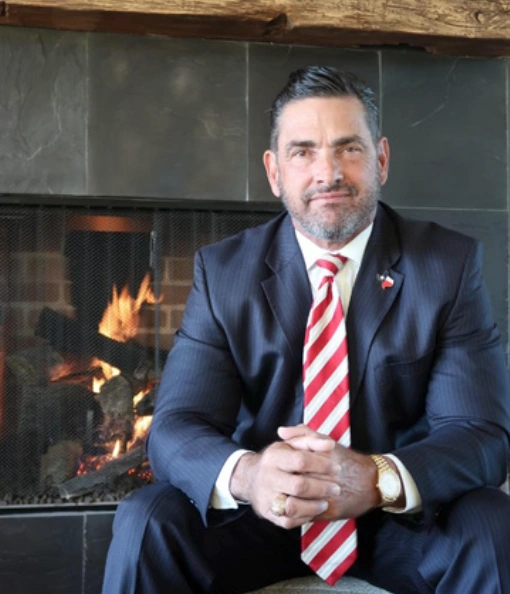
Sam R. Cammack III is a highly experienced criminal defense lawyer and former prosecutor serving the Houston area with over 20 years of legal expertise. Dedicated to protecting his clients’ rights, he has successfully defended cases ranging from misdemeanors to serious felonies.
Sam received his Bachelor’s Degree in Psychology with honors from the University of Houston and graduated Magna Cum Laude with a Doctorate of Jurisprudence. A standout legal scholar, he finished first in his class in eleven different areas of law, received the prestigious Prima Excellencia award, and interned at the 14th Court of Appeals with Justice Eva Guzman. Known for his sharp analytical skills and strategic defense, he remains steadfast in his pursuit of justice for every client.