
What Does a Houston Criminal Defense Attorney Do?
A criminal defense attorney protects your rights, investigates the accusation, examines the State's evidence, advises you about your choices, and represents you in court. That work can begin before an arrest and continue through negotiations, trial, and the steps that follow a result. The tasks depend on your charge, the evidence, and what is happening in your case.
When you hire me, I need to understand more than the charge printed on your paperwork. I need to know what happened, what the police have already done, what evidence may disappear, and what this case could cost you beyond a sentence. Those answers help determine where we start.
Address the immediate problem before it becomes another one
If an investigator wants to talk
An interview request deserves attention even if nobody has arrested you. Before discussing the accusation with an investigator, speak privately with a lawyer about the request. I want to know who contacted you, what they asked for, whether they mentioned a warrant or subpoena, and whether you have already given a statement.
My role includes assessing the situation and advising you about responding. Do not assume that agreeing to an interview will clear everything up, or that asking for a lawyer means officers will immediately release you. Our guide to Houston police questioning explains the practical issues in more detail.
If you or a family member is in jail
The first questions are concrete: Where is the person held? What charge is listed? Has a magistrate seen them? What bond or detention order exists? Are there other warrants or holds? Getting those facts helps identify the next available step.
Bond work includes examining the amount, eligibility for release, and the conditions a person would have to follow. Depending on the case, I may seek a hearing or ask for a change supported by financial information, employment, housing, family responsibilities, and other relevant facts. A lawyer cannot promise release or a particular bond amount.
Magistration, arraignment, and a contested bond hearing serve different purposes. They should not be treated as one event where every defendant enters a plea and gets released. For the process itself, read what happens after an arrest in Harris County.
Once you are released, bring me the actual conditions. If an order prohibits contact with someone, that person's invitation does not change the order. Raise work, travel, housing, or childcare conflicts with your lawyer before acting on your own.
Get the evidence and investigate beyond the police report
A police report tells me what the officer recorded. I still need to examine the supporting material. A short description of a conversation may leave out the question that prompted the answer. A photograph may show an injury without establishing when or how it happened. The distinction between an observation and an assumption can matter.
Request discovery and follow up on missing material
Discovery is the process for obtaining evidence and information from the prosecution. In Texas, Article 39.14 of the Code of Criminal Procedure, expanded by the Michael Morton Act, governs important disclosure obligations.
Subsection (a) requires a timely defense request for the production it describes. Subsection (h) separately requires disclosure of favorable information covered by that provision. It would be wrong to say that every disclosure obligation exists only if the defense asks.
Depending on the allegation, the material I need may include recordings, reports, photographs, witness statements, laboratory records, or search-warrant documents. Receiving a file is only the beginning. I compare the material, identify gaps, and pursue relevant items that have not been produced.
There are restrictions on sharing discovery with clients and other people. Ask before forwarding, posting, or distributing anything from the case file. We can discuss how you may review the evidence while following the applicable rules.
Find information the investigation may have missed
Tell me early about cameras, messages, witnesses, receipts, location records, or other information that could help establish what happened. Preservation is time-sensitive, but there is no single deletion schedule for every camera or device.
An independent investigation may involve locating a witness, documenting a scene, obtaining records through lawful procedures, or having an investigator examine a disputed timeline. Where technical evidence matters, an appropriate expert may help evaluate the testing, methods, assumptions, or conclusions.
The questions change with the charge. In a DWI case, the stop, observations, and testing may require separate examination. In another case, identification, intent, possession, or the sequence of events may be central. Our practice-area guides explain issues associated with different allegations.
I do not need you to decide in advance which facts help. Tell me about the difficult facts as well. Learning about an unfavorable message privately gives us a chance to examine it in context.
Identify legal challenges that fit the evidence
A motion asks the court to decide a particular issue. Depending on the facts, the defense may challenge evidence obtained through a search, the admissibility of a statement, an identification procedure, or proposed expert testimony.
Texas Article 38.23 addresses exclusion of unlawfully obtained evidence and includes an exception for specified good-faith reliance on a warrant. Whether exclusion applies requires examination of the facts and controlling law. A disputed search does not automatically make every item of evidence inadmissible.
A useful motion needs a legal basis and supporting facts. Filing one is not the same as winning it. When an issue requires a hearing, preparation can include exhibits, witness testimony, and a clear account of what happened.
Suppression and dismissal also mean different things. Excluding evidence can affect the prosecution's ability to proceed, but it does not automatically end the charge. Our Harris County dismissal guide explains the distinction and other possible grounds for seeking dismissal.
Evaluate the options and prepare for the decision ahead
Present a supported request for dismissal or a different resolution
If the evidence or law provides grounds to seek dismissal, I need to present those grounds clearly. That may mean identifying a missing element, bringing forward reliable contradictory evidence, or explaining the effect of a court ruling. A request carries more substance when it points to something the prosecutor can examine.
The person who reported the incident may have information or wishes worth communicating, but that person cannot personally dismiss a State prosecution. Do not pressure anyone to change a statement or contact someone in violation of a court order.
Explain an offer before you decide
When an offer is made, you need to understand the proposed charge, sentence, conditions, and consequences. Two offers involving the same amount of time can differ in ways that affect your future. Employment, professional licensing, immigration, firearm restrictions, and eligibility for later record relief may need attention.
I will advise you about the evidence, available defenses, and risks. The decision whether to accept a plea is yours. You should understand what you are admitting and what rights you would give up before deciding. When another area of law requires additional expertise, that should be addressed before the decision.
Prepare to test the accusation at trial
Trial preparation includes organizing exhibits, evaluating witnesses, preparing cross-examination, addressing admissibility issues, and considering the instructions the jury will receive. It also includes discussing whether you will testify and what that choice involves.
A defense can challenge the reliability and sufficiency of the prosecution's proof. Where the evidence supports an affirmative account of what happened, that also requires careful preparation. The approach should follow the evidence and law in your case.
David Barajas: a case that went to a jury

I represented David Barajas in the Brazoria County murder trial that ended in a jury acquittal in 2014. That was a not-guilty verdict at trial, not a pretrial dismissal. The Barajas case account describes the prosecution and links to news coverage.
For someone facing a charge, it illustrates why the discussion must include what happens if a case goes to trial. You can read more documented results from my practice. Each case has its own evidence and circumstances. Past results do not guarantee a similar outcome.
You should understand what your lawyer is doing
A court appearance may be brief while the work surrounding it takes much longer. You should still be able to ask what happened, what remains outstanding, and what the next setting is intended to address. If the case is waiting on evidence or a ruling, ask what that means for the plan.
At my office, I handle legal strategy and advice. Holly helps coordinate communication, scheduling, and case materials. Our firm and team page explains our roles. Tell us promptly about a new court notice, a change in contact information, or a problem following your conditions.
If you are still comparing attorneys, our guide to choosing a Harris County defense lawyer covers questions about responsibility, fees, and communication.
What you can do to help
- Keep the paperwork: Bring charging documents, bond conditions, court notices, and any warrant or subpoena you received.
- Preserve originals: Keep relevant messages, photographs, files, and devices. Do not delete or alter potential evidence.
- Give details privately: Provide your lawyer with a timeline and witness contact information. Avoid posting your account online.
- Respect court orders: Follow appearance requirements and release conditions. Ask about conflicts before missing a setting or violating a restriction.
- Discuss witness contact first: Let your lawyer assess how interviews should be handled. Do not coach, threaten, or pressure anyone.
The result may leave additional work to address
After a dismissal or acquittal, ask what documents establish the result and whether you qualify for record relief. The outcome of the criminal case does not by itself answer every question about an arrest record.
If a case ends in a conviction or a supervision order, you need to understand the conditions, deadlines, and consequences of noncompliance. Post-trial motions and appeals have deadlines, and the right to appeal may depend on how the case was resolved.
Clarify who is responsible for any next proceeding and whether it is included in the representation agreement. Do not assume that an appeal, expunction, or separate administrative matter is automatically covered.
Questions clients ask about criminal defense representation
Can I hire a lawyer before charges are filed?
Yes. An investigation, interview request, search, or subpoena can create a reason to seek advice before a charge appears in court. Bring the actual documents and contact details so the lawyer can assess the situation. Early involvement does not guarantee that charges will be avoided.
Does my lawyer have to prove that I am innocent?
No. The prosecution bears the burden of proving the elements of the offense beyond a reasonable doubt. The defense may challenge that proof and present supporting evidence where appropriate. Particular defenses have their own legal requirements, which your lawyer should explain if they apply.
Can a court-appointed lawyer do this work?
Yes. Appointment does not make a lawyer less responsible for defending the client. The Texas Indigent Defense Commission explains how to request counsel if you cannot afford an attorney. Evaluate representation by the work, qualifications, and communication, rather than assuming payment determines commitment.
Will every case need an investigator or expert?
No. The need depends on the disputed facts and technical issues. Ask what question the professional would address, how the work could help assess the case, and how the cost would be handled. Hiring an expert is not a promise of favorable testimony.
How long does a criminal defense lawyer work on a case?
The agreement should identify the scope of representation. The time needed depends on the charge, evidence, court schedule, motions, and how the case is resolved. Ask what is causing a delay and what work can continue while you wait. A universal timeline would be misleading.
Does the county change how my case is handled?
Texas law supplies the framework for state cases, but the assigned court, local procedures, prosecutors, and available programs matter. Start with the county shown on your case paperwork. Our Harris County defense page and county guides provide local context. Federal proceedings follow a different system.
Tell me where your case stands
If police have contacted you, you have been charged, or someone in your family is in custody, call with the county, charge, and next deadline if you know them. We can start by identifying what needs attention now.
Call 713-224-4444Request a free consultationOur Houston office is at 1001 West Loop South, Suite 700, Houston, Texas 77027.
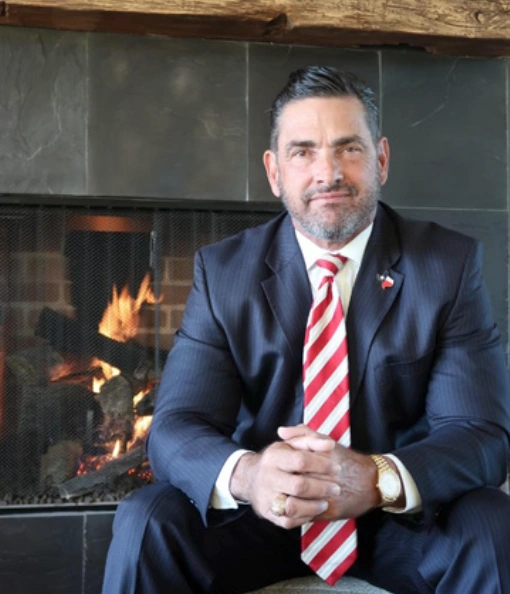
Sam R. Cammack III is a highly experienced criminal defense lawyer and former prosecutor serving the Houston area with over 20 years of legal expertise. Dedicated to protecting his clients’ rights, he has successfully defended cases ranging from misdemeanors to serious felonies.
Sam received his Bachelor’s Degree in Psychology with honors from the University of Houston and graduated Magna Cum Laude with a Doctorate of Jurisprudence. A standout legal scholar, he finished first in his class in eleven different areas of law, received the prestigious Prima Excellencia award, and interned at the 14th Court of Appeals with Justice Eva Guzman. Known for his sharp analytical skills and strategic defense, he remains steadfast in his pursuit of justice for every client.