
How to Choose a Criminal Defense Lawyer in Harris County
Choose a criminal defense lawyer by asking about experience with your charge, familiarity with the court handling your case, who will do the work, and how fees and communication will be handled. Verify the attorney's Texas license and ask for concrete examples of relevant experience. A confident promise or a list of favorable results cannot tell you what will happen in your case.
If you have a court date, an interview request, or a family member in jail, tell the office about that immediately. You need enough information to make a careful decision while protecting the deadlines and obligations already in front of you.
Start with experience that matches the accusation
“Criminal defense” covers very different kinds of work. A DWI case may turn on the stop, observations, testing, and a separate license proceeding. A serious assault case may involve medical evidence, identification, or self-defense. A juvenile matter follows a different process from an adult prosecution.
Ask the lawyer to explain which parts of your case need examination and what comparable work they have actually done. Handling a file, negotiating a plea, arguing a contested hearing, and trying a case to a jury are different experiences. A useful answer tells you the attorney's role.
I have been licensed in Texas since 2002 and previously served as a felony prosecutor in Harrison County. In my defense practice, I examine how the State has built its accusation and what the evidence can support. You can read my professional background and the types of criminal cases our firm handles.
Ask about trial preparation, even if you hope to avoid trial
You may want the case resolved without a trial. That is a reasonable goal to discuss. You still need to understand what happens if the prosecutor will not dismiss the charge or makes an offer you cannot accept.
Ask whether the attorney has tried comparable allegations and how they decide when an investigator or expert may be needed. The answer should connect experience to the work your case may require. Aggressive advertising does not explain how a lawyer examines a recording, challenges testimony, or prepares a witness.
Verify professional credentials
Use the State Bar's directory to check licensing information and any public disciplinary history. My State Bar of Texas profile lists my license date and professional information. Make sure you are looking at the correct attorney, especially when names are similar.
If a lawyer claims board certification, verify the specific credential through the Texas Board of Legal Specialization. Practicing criminal law and holding a board certification are different facts. A directory badge or an advertising phrase should not substitute for checking what a credential means.
Read case results for what they actually show
Ask about the charge, court, outcome, and attorney's role. A dismissal ends a pending charge. An acquittal is a not-guilty decision at trial. A mistrial means the trial ended without a final verdict and may leave another trial ahead. A reduced charge can still carry a conviction and consequences.
A percentage labeled “wins” leaves important questions unanswered. Which cases were counted? Over what period? Were individual charges counted separately? What qualified as a win? Detailed examples are more useful than treating every result as the same event.
David Barajas: a documented jury acquittal

I represented David Barajas in the Brazoria County murder trial that ended in a jury acquittal in 2014. The Barajas case account provides the history and links to news coverage.
For a person evaluating trial experience, the distinction matters: this was a murder case tried to a jury in Brazoria County. It should be described by its actual charge, venue, and outcome. It cannot predict a verdict in another case.
Charnesia Corley: misdemeanor charges dropped
I also represented Charnesia Corley after the Harris County traffic stop and roadside search that received national attention. The misdemeanor marijuana-possession and resisting-arrest charges against her were dropped. The Corley case account explains the documented history and identifies reporting sources.
This illustrates a different part of defense work: examining the circumstances behind the accusation and pursuing a resolution before a jury verdict. It is a separate kind of result from the Barajas acquittal.
These are selected case examples. Past results do not guarantee future outcomes. Each case depends on its own facts, evidence, legal issues, and procedural history.
Our case results page gives further context. If dismissal is your immediate concern, read how criminal charges may be dismissed in Harris County.
Ask about the court handling your Harris County case
Your lawyer needs to know where the case is filed, the level of the charge, and what the next setting requires. A Houston address does not answer those questions. Confirm the county and cause number on your papers.
Ask whether the attorney regularly handles matters in the relevant court system and how the office tracks settings, bond requirements, and filings. Familiarity should help with preparation and procedure. It is not a promise that knowing a prosecutor or judge will produce a favorable decision.
Our Harris County criminal defense page provides local context. If your case is in a neighboring county, use our counties and courts guide. Tell the lawyer about every pending matter, including cases in another county.
Know who will handle the work and answer your questions
Before signing, establish whether the attorney you meet will direct the defense and appear in court. Ask how another attorney's involvement would be explained. You should understand who is responsible for legal advice and who handles scheduling and documents.
At my firm, I lead the legal strategy, evaluate evidence, advise clients, negotiate when appropriate, and prepare and handle the defense in court. Holly A. Quinterro is our office manager and legal assistant. She helps coordinate communication, case materials, scheduling, and procedural updates under my direction. Holly is not an attorney and does not provide legal advice. You can meet the firm and legal team before calling.
Ask what to do if an officer contacts you, a new document arrives, or a hearing is moved. Also explain any language or communication needs early so the office can discuss suitable arrangements.
Compare the work covered by the fee
Two quotes may cover different services. One might cover representation through a particular stage while another includes trial. Investigators, experts, transcripts, travel, an appeal, or a separate proceeding may require additional arrangements. Ask about the terms rather than assuming the total price tells the whole story.
The State Bar's guide to selecting a lawyer recommends discussing experience, fees, and the services included. Get the scope and payment obligations in writing and keep a copy.
- What charge and cause number does the agreement cover?
- Does the quoted fee include contested hearings and trial?
- Which expenses are separate, and how are they approved?
- What is due at the start, and when are later payments due?
- What do the agreement and applicable rules provide if representation ends early?
Our office offers a free initial consultation and payment plans. We discuss the terms for the representation being offered. An installment arrangement spreads payments over time; it does not, by itself, reduce the total fee or expand the work covered.
A lower fee does not establish inexperience, and a higher fee does not guarantee a better result. Compare what the lawyer proposes to do, who will do it, and whether the financial arrangement is workable for you.
If you cannot afford retained counsel
Ask about appointed counsel rather than going without representation while trying to raise money. The Texas Indigent Defense Commission explains eligibility and how to request an attorney through the court or the appropriate coordinator.
Appointment is not evidence that an attorney cares less or cannot defend you effectively. Evaluate communication, preparation, and the actual work being done. If you already have appointed counsel and are considering a change, address your concerns and the transition before assuming a new lawyer has taken over.
Questions to take to a criminal defense consultation
Bring these questions and write down the answers. You do not need to know legal terminology to ask for a clear explanation.
- What needs attention first? Identify any interview, court setting, bond condition, or deadline.
- What experience do you have with this allegation? Ask what the attorney personally handled in comparable matters.
- What information do you still need? A useful assessment should distinguish known facts from unanswered questions.
- How will you examine the evidence? Discuss recordings, records, witnesses, and possible investigative needs.
- Who will represent me at hearings and advise me about decisions? Clarify responsibility before hiring.
- How will we communicate? Establish the contact person, document-sharing method, and process for urgent questions.
- What does the agreement cover? Compare scope, additional expenses, and payment terms.
- What happens if the case cannot be resolved as I hope? Ask how the lawyer will explain alternatives and trial preparation.
Be cautious if someone guarantees dismissal before examining the evidence, promises special influence, or pressures you to sign without explaining the fee. A lawyer should be able to say what remains uncertain. That is part of giving you useful advice.
Prepare for the first conversation
Have your full name, contact information, charge, county, cause number, and next court date available if possible. Bring bond papers, notices, and the names of any lawyers already involved. Make a private timeline and identify records or recordings that may exist.
Tell the office who else is connected to the case so it can check for conflicts before receiving sensitive details. Do not send a detailed confession through a public contact form or discuss the facts in a social-media comment. Ask how to provide information privately.
If an arrest has just happened, our Harris County arrest guide covers the immediate process. If police are asking for an interview, see what to consider before answering questions.
Common questions about hiring a defense lawyer
Do I have to hire the first lawyer I consult?
No. You can compare lawyers before making a decision. Ask whether each consultation has a fee. Do not miss a hearing or leave an urgent issue unattended while scheduling additional conversations.
Should I choose a former prosecutor?
Prosecution experience can help a lawyer understand how criminal cases are evaluated and presented. Ask how that background relates to the defense work you need now. Also examine the lawyer's actual defense and trial experience, communication, and approach to your charge.
Can a family member help me hire a lawyer?
A family member can help locate counsel and discuss payment arrangements. The accused person is the client. Ask the lawyer how consent, confidentiality, and family updates will be handled; paying the bill does not automatically give someone access to every case discussion.
Can I change lawyers after the case starts?
A change may be possible, but court requirements, scheduling, existing agreements, and transfer of the file must be addressed. Do not assume hiring someone new cancels a court date or automatically removes existing counsel. Discuss the transition with the attorneys involved.
Should reviews determine whom I hire?
Reviews can describe how someone experienced communication and service. They rarely show the complete evidence or explain why a legal outcome occurred. Use them alongside verified credentials, relevant case history, and your own consultation.
Does a free consultation mean representation has started?
No. At our firm, representation begins after the firm and client enter into an appropriate written agreement. Confirm that the attorney has accepted the matter and understands any approaching deadline.
Talk with my office about the representation you need
Tell us what you are facing and where the case is filed. We can discuss the next steps, the scope of representation, and payment arrangements. The initial consultation is free.
Call 713-224-4444Request a consultationVisit our Houston office at 1001 West Loop South, Suite 700. Contact the office to arrange a meeting.
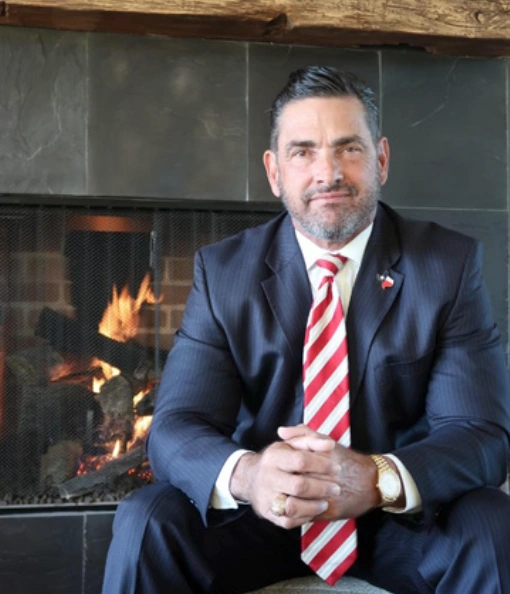
Sam R. Cammack III is a highly experienced criminal defense lawyer and former prosecutor serving the Houston area with over 20 years of legal expertise. Dedicated to protecting his clients’ rights, he has successfully defended cases ranging from misdemeanors to serious felonies.
Sam received his Bachelor’s Degree in Psychology with honors from the University of Houston and graduated Magna Cum Laude with a Doctorate of Jurisprudence. A standout legal scholar, he finished first in his class in eleven different areas of law, received the prestigious Prima Excellencia award, and interned at the 14th Court of Appeals with Justice Eva Guzman. Known for his sharp analytical skills and strategic defense, he remains steadfast in his pursuit of justice for every client.