
What Happens After an Arrest in Harris County?
After an arrest in Harris County, the immediate issues are booking, an appearance before a magistrate, access to a lawyer, and whether release is available. The criminal case continues after those first steps. Getting out of jail does not end the charge.
If your family just received a call from jail, start with the person's location and the paperwork. You do not need to solve the case over the telephone. You need to find out where the person is, protect their ability to speak privately with counsel, and avoid making the situation harder.
I have been licensed to practice law in Texas since 2002, and my experience includes serving as a felony prosecutor in Harrison County before representing people accused of crimes. In my Houston defense practice, I approach an arrest as the beginning of an investigation, not proof that the accusation is correct.
1. Find out where the person is being held
Start with the Harris County Sheriff's Office jail lookup. It accepts searches using a name or System Person Number, commonly called an SPN. Use the date of birth to help distinguish people with similar names. The Sheriff's Office lists 713-755-5300 for incarcerated-person information.
A missing search result is not proof that someone has been released. Confirm which agency made the arrest and where it took the person. Do not assume that every arrest in the Houston area produces a Harris County jail record.
Keep one set of notes with the arresting agency, approximate arrest time, jail location, alleged charge, SPN, case number, and any hearing information. These details let counsel begin checking the situation without relying on a secondhand description.
This guide concerns adult state criminal cases in Harris County. Juvenile detention, federal arrests, municipal cases, and warrants from other counties can follow different procedures. Our inmate search and court-record resources provide a starting point for locating the correct records.
2. Understand the first appearance before a magistrate
Texas Code of Criminal Procedure Article 15.17 generally requires an arrested person to be brought before a magistrate without unnecessary delay and no later than 48 hours after arrest. The magistrate explains the accusation and important rights, including the right to counsel and the process for requesting appointed counsel. This appearance is not a trial deciding guilt. See Article 15.17 in the Texas Indigent Defense Commission's Fair Defense Laws.
Do not treat the 48-hour rule as a promise of release. If you believe a required hearing has been delayed, tell counsel the actual arrest time and what has happened since.
The useful questions for a family are practical: Has the person appeared before a magistrate? Was counsel requested? Is there a written bond decision? What conditions or holds appear in the record? Keep copies of anything available.
3. Separate the bond decision from the release process
Texas law requires an individualized bail decision. Depending on the charge and applicable law, release may involve a personal bond, money bond, or a denial of bail in an authorized case. Eligibility and conditions require a case-specific assessment. See Article 17.028 in the Texas Fair Defense Laws.
Before paying anyone, ask what the proposed payment covers. A bonding company's fee is not your defense attorney's fee. Read the agreement, ask about collateral and refund terms, and keep receipts. The Harris County Bail Bond Board maintains an approved bonding list and identifies the county's bonding office.
If a bond has been posted but the person remains in custody, ask counsel to identify the reason. Do not assume another payment will resolve it. A separate case, hold, or an unmet release requirement needs its own explanation.
For a bond discussion, gather accurate information about employment, housing, dependents, medical needs, and the person's ability to meet proposed conditions. Do not exaggerate finances or offer an address where the person cannot lawfully stay.
4. Get legal advice without discussing the case on a recorded line
Make the request for counsel clear: “I want a lawyer. I do not want to answer questions about the case.” Do not argue, resist, give false identifying information, or ignore legitimate medical and safety questions.
Families should keep ordinary jail conversations focused on arrangements, not the facts of the accusation. The Sheriff's Office states that outgoing inmate calls can be monitored and recorded and describes separate protections for designated attorney communications. Use the proper confidential channel rather than assuming a call becomes private because a lawyer joins it. See the Harris County policy on recording inmate calls.
What if the person cannot afford an attorney?
Ask for appointed counsel promptly and complete the financial information requested by the court. The Texas Indigent Defense Commission explains the right to appointed counsel for eligible people facing felony charges and Class A or B misdemeanors. Its guide to requesting a lawyer also explains how to follow up if an appointment has not been made. Do not postpone that request while your family tries to raise money.
If you are considering hiring my office, bring the charge, county, next setting, and available documents. A useful first conversation should identify the immediate problem and the work needed, not promise a result before the evidence is known.
5. Preserve the evidence that may explain what happened
An arrest report is a starting point. My job is to examine what supports it, what contradicts it, and what it leaves unanswered. That work may involve the legality of a stop or search, identification, witness accounts, recordings, physical evidence, and the sequence of events.
Write down the locations of nearby cameras and the names of potential witnesses. Preserve original messages and files, not just selected screenshots. Tell counsel about injuries, medical treatment, receipts, rideshare records, or other material that may help establish a timeline. Do not edit recordings, delete posts, or contact witnesses to coordinate accounts.
Not every piece of evidence will be available immediately. Identifying it early gives counsel a chance to pursue preservation and obtain it through the appropriate process. If something looks unfavorable, disclose it privately to your lawyer instead of trying to remove it.
Charnesia Corley: examine the search, not just the charge
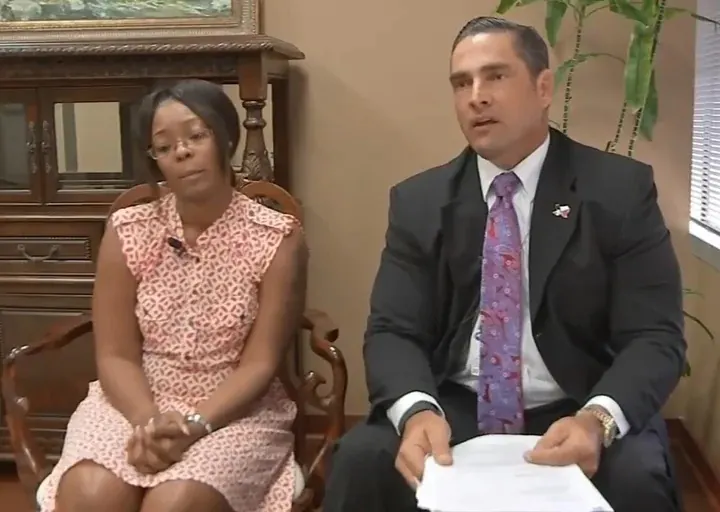
I represented Charnesia Corley in a Harris County criminal matter involving a roadside body-cavity search. Her misdemeanor marijuana-possession and resisting-arrest charges were dropped. My account of the Corley case explains the search controversy and the criminal outcome.
The practical question after an arrest is not simply what an officer says was found. Counsel also needs to examine how the encounter unfolded and how the evidence was obtained. A charge label cannot answer those questions.
David Barajas: an accusation still has to be proved

I represented David Barajas at his murder trial in Brazoria County. The jury acquitted him in August 2014. That was a different county and a different case, but it illustrates why a defense must test the prosecution's proof rather than accept its theory. Details are available in my documented case results.
These outcomes do not predict what will happen in another case. Each defense depends on its own evidence and law.
6. Follow the written conditions and prepare for court
Once released, keep the bond paperwork where you can find it. Confirm every court date with counsel and make a plan for transportation, work, childcare, and any required reporting. Do not assume that hiring a lawyer excuses your personal attendance.
Read restrictions before returning home, contacting anyone involved, traveling, or making other plans. If an order creates a problem you cannot solve, raise it with counsel immediately. Do not substitute a private agreement for permission from the court.
This is particularly important in family violence and domestic assault cases. Give your lawyer every protective order and bond condition. Ask what contact is permitted before sending a message or asking a relative to pass one along.
For a DWI arrest, save license notices as well as criminal-court documents. Bring both to counsel promptly so any separate license issues and deadlines can be identified.
Later proceedings depend on the charge, the assigned court, the evidence, and the decisions made in the case. Your lawyer should explain what the next setting is for and what still needs to be obtained or investigated. Our Harris County criminal defense page provides additional local information. For an arrest elsewhere, use the relevant county guide rather than assuming Harris County procedures apply.
Questions families ask after a Harris County arrest
Should I wait until the first court date to contact a lawyer?
No. Contact counsel when you learn of the arrest. There may be immediate questions about custody, conditions, questioning, or evidence preservation. You do not need a complete file before asking for help.
Can I give my family the whole story on a jail call?
Do not use an ordinary jail call to discuss the alleged offense. Arrange a confidential conversation with your lawyer through the proper attorney channel. Family members can help with logistics without collecting a recorded account of the case.
What should I bring to a consultation?
Bring the arrest and release paperwork, charge and case number, court notices, written conditions, and any relevant documents already in your possession. Make a private list of witnesses and possible evidence for counsel. If you have only a name and the arresting agency, start there.
Does getting out on bond mean the charge is gone?
No. Release and the disposition of the criminal charge are different matters. Keep complying with the court's instructions and confirm the case status with counsel.
Can my family arrange a payment plan for legal fees?
My office offers payment plans, with the amount and schedule agreed for the representation. Ask about the scope of work, initial payment, and installment terms during the consultation. Legal fees and payments to a bonding company are separate.
Talk with Sam R. Cammack III about a Harris County arrest
You do not have to know how to defend the case before calling. Start with who was arrested, where they are being held, and what paperwork you have. We can discuss the immediate concerns and the next steps in representation.
Call 713-224-4444 Request a free consultation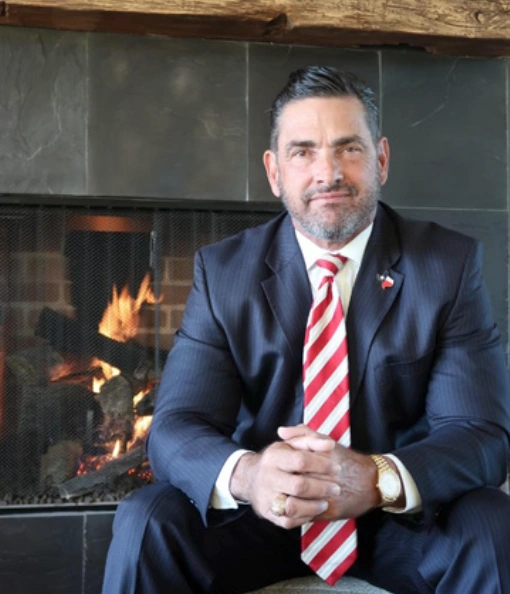
Sam R. Cammack III is a highly experienced criminal defense lawyer and former prosecutor serving the Houston area with over 20 years of legal expertise. Dedicated to protecting his clients’ rights, he has successfully defended cases ranging from misdemeanors to serious felonies.
Sam received his Bachelor’s Degree in Psychology with honors from the University of Houston and graduated Magna Cum Laude with a Doctorate of Jurisprudence. A standout legal scholar, he finished first in his class in eleven different areas of law, received the prestigious Prima Excellencia award, and interned at the 14th Court of Appeals with Justice Eva Guzman. Known for his sharp analytical skills and strategic defense, he remains steadfast in his pursuit of justice for every client.