
Quick Answer
The five qualities that matter most in a Houston criminal lawyer are willingness to fight, careful listening and attention to detail, integrity, clear communication, and real experience with your specific charge. Every attorney claims all five — so the useful skill is knowing how to test for them. The fastest test: ask what the weaknesses in your case are, and ask when they last tried a case like yours to a jury verdict.
The Five Qualities — And How to Test Each One
| 1 | A fighter. Ask when they last tried a case to verdict. Prosecutors calibrate offers based on who actually goes to trial. |
| 2 | A listener. You should talk more than they do. Watch for questions about details you thought were irrelevant. |
| 3 | Integrity. Ask what is weak about your case. Anyone who guarantees an outcome is selling, not advising. |
| 4 | A communicator. If you leave unclear about your charge and punishment range, they will not reach a jury either. |
| 5 | Experience. Not years licensed — ask how many of this charge they have handled in Harris County. |
Key Takeaways
| Self-description proves nothing. Every attorney calls themselves aggressive, detail-oriented, and experienced. Testing for the trait is the only thing that separates them. | |
| Trial willingness affects every case. An attorney known never to try cases gets worse plea offers for all their clients — whether or not you ever wanted a trial. | |
| Bad news early is a good sign. An attorney who tells you only what you want to hear now will keep doing it — until the day it matters and there is no time to react. | |
| Verify independently. The State Bar of Texas directory shows license status, board certifications, and public disciplinary history. It takes two minutes. | |
| Walk away from guarantees. Texas rules prohibit creating unjustified expectations about results. A promised dismissal is a sales tactic, not a legal opinion. | |
| Interview more than one. Consultations exist for this. Two or three meetings make the differences obvious in a way one meeting never will. |
or call (713) 224-4444
This content is general information, not legal advice. Past results do not guarantee a similar outcome.
Selecting the Best Houston Criminal Lawyer for You
There are few choices more important in selecting the absolute best Houston criminal lawyer when faced with a criminal charge. The charges can vary widely including: theft, DUI, possession of narcotics, assault with a deadly weapon, fraud, robbery, or even murder. But choosing the wrong lawyer will almost always yield the same result: precious years of your life served behind bars, and your loved ones left without you. How do you make the split second decision that your criminal lawyer in Houston is the best possible representative for YOU? Look for the following traits:
Before the list, one framing point. Every attorney you meet will describe themselves as aggressive, detail-oriented, and experienced. Those words are free. What follows is not just the five qualities — it is how to actually test for each one in a single consultation, because self-description tells you nothing.
1. Your Criminal Lawyer Needs to Be a Fighter. Period.
If you are staring down the possibility of spending the next several years of your life in jail, you need someone who is going to go to war for you. Plenty of attorneys market widely hoping to draw in as much business as possible. Will you be a priority for them? Will they fight for you if your case is smaller than their “average” client? Additionally, when they go to court and present your case in front of a judge or jury will they pursue your case aggressively or will they lay down in the face of prosecutorial pressure? Finally, will the judge or the prosecution intimidate them? You need someone strong under pressure.
The number one question you should ask yourself is this: Will this criminal lawyer do whatever it takes to fight for my case? They have to be born a fighter. And you can tell quickly if someone is going to make your case a priority worth fighting for.
How to test for it: Ask when they last tried a case to a jury verdict, and how many trials they have handled. This is the single most revealing question in a consultation. Prosecutors know which defense attorneys actually try cases and which ones always plead — and they calibrate their offers accordingly. An attorney with a reputation for never going to trial gets worse deals for every client on their docket, whether or not that client ever wanted a trial.
Also ask what motions they anticipate filing in your case. A fighter has already started thinking about suppression, discovery, and challenges to the state’s evidence. Someone who has not considered it yet will speak in generalities.
Note the distinction: aggressive is not the same as loud. The attorney who is most theatrical in the consultation is not necessarily the one who fights hardest in court. What you are looking for is someone who is unintimidated — by the prosecutor, by the judge, by the pressure to resolve the docket quickly.
2. Your Criminal Lawyer Needs to Listen Carefully and Be Extremely Detail Oriented
When you are presenting the details of your legal charges is your attorney prodding and asking as many questions as they can to learn about you and your case? Are they showing true interest, by demonstrating that they are actively listening to you? This is typically the first tell that your criminal lawyer will be a strong attorney. If they aren’t asking the right questions, they could very easily miss an important detail that could tank your case. In addition, accompanying good listening skills is someone who is incredibly detailed oriented. Are they going to pour over your notes and briefs or cross examinations meticulously? Will they master every piece of evidence submitted? Look for a lawyer who demonstrates that the details matter to them and it could make all the difference in your case if it ever gets to trial.
How to test for it: Pay attention to the ratio. In a good first consultation, you should be talking considerably more than the attorney. If they spend the hour describing their own credentials, they are selling, not evaluating.
Notice whether they ask about things you did not think were relevant. What time was it? Who else was present? What exactly did the officer say before the search? Was anyone recording? Have you spoken to anyone about this? Those questions come from someone who has found cases in the details before.
Why it matters concretely: criminal cases turn on small things. Whether an officer’s body camera was activated. Whether a breath test instrument’s maintenance records are current. Whether the timeline in the police report matches the timestamps on the surveillance footage. Nobody finds those problems by skimming.
3. Your Criminal Lawyer Needs to Have Integrity
Reputation matters in this industry — especially in a city like Houston in which we have a tight knit legal community. You need to evaluate quickly if the person sitting across from you commands a sense of integrity. You need to see that their word means something to them and to others, and that people in the legal community know them to be a person of good character who will tell you the truth — the way it really is. Plenty of attorneys can make promises, or better yet can offer up platitudes about their skill or prowess as a lawyer, but few have the guts to tell you exactly how it is. Look for a lawyer who won’t mince words, and who has a track record of trustworthiness.
How to test for it: Ask directly what the weaknesses in your case are. Then watch what happens.
An attorney with integrity will tell you. They will name the evidence that hurts you, the facts a prosecutor will lean on, and the realistic range of outcomes including the bad end of it. An attorney who tells you only what you want to hear in the first meeting will keep doing that — right up until the day the news gets bad and there is no time left to react.
Verify independently. The State Bar of Texas maintains a public directory showing license status, admission date, board certifications, and public disciplinary history. It takes two minutes and confirms what marketing cannot.
Hard red flag: any guarantee of a specific outcome. Texas disciplinary rules prohibit creating unjustified expectations about results. An attorney who promises a dismissal is telling you they will say whatever closes the sale.
4. Your Criminal Lawyer Needs to Be an Effective Communicator
Does your criminal lawyer strike you as someone personable? Someone who can communicate things simply, but very effectively? Or do they come off as a bit out of touch, socially awkward, rude, or overly academic and use five dollar words? Understanding juries and judges is as much an art form, as it is a skill. It takes years of practice to master. Your criminal lawyer is your mouthpiece, the public image, and the brains behind your entire defense. We know that in this world perception is reality. As such, you need to pick someone who you can trust will communicate. They will reach a judge or jury in the best possible way, differentiated way. Each person is unique and needs to be thoughtfully communicated to win your case.
How to test for it: Ask them to explain the charge against you and the range of punishment. If you walk out still unclear about what you are facing, that is your answer. An attorney who cannot make it plain to you — a motivated audience of one, sitting across a desk — will not make it plain to twelve strangers in a jury box who would rather be at work.
Communication with you matters as much as communication in court. Ask who your point of contact will be, how quickly calls and emails get returned, and whether the attorney you are meeting will personally appear at your settings or hand the case to an associate. Unreturned calls are the most common complaint clients have about defense counsel, and it is worth resolving expectations before you hire, not after.
5. Your Criminal Lawyer Needs to Be Experienced
You wouldn’t dare let an inexperienced doctor perform a dangerous operation on you. Similarly, there is simply no substitute for experience in something as high stakes as a criminal law case. You need a lawyer who has the background. You need someone who has years of experience to know the ins and outs of a variety of criminal law case types. They have to be knowledgable on how these cases are tried. They need to know how to assess the judges personalities, judgements, negotiations, police dynamics, and more. In criminal law, experience is king. Look for someone who has tried many cases, an expert of each type of criminal case and give you a sense of confidence through their experience. You don’t want a novice, at the very moment in which you need an ace criminal defense lawyer.
How to test for it: Years licensed is the weakest measure of experience. Ask better questions:
- How many cases involving this specific charge have you handled in Harris County?
- When did you last try a case like mine to a verdict?
- Do you know the judge and the prosecutors in the court my case is assigned to?
- What are the recurring weak points the state has in this type of case?
That last question is the one that separates people. An attorney who works your charge area answers it immediately and in detail — they will name the specific evidentiary problems, the experts the state usually calls, the arguments that tend to land. Someone who does not work the area will answer in generalities.
Board certification is worth asking about. The Texas Board of Legal Specialization certifies attorneys in criminal law after requirements covering years in practice, case volume including jury trials, peer references from judges and attorneys, continuing education, and a written exam. Only a small percentage of Texas attorneys hold it. Plenty of excellent defense lawyers are not certified — but it is one of the few credentials that is independently verified rather than self-reported.
Warning Signs to Walk Away From
The five qualities tell you what to look for. These tell you when to leave:
- A guaranteed outcome. Prohibited, and a sign of someone selling rather than advising.
- Pressure to sign today. Urgency about your case is appropriate. Urgency about your payment is not.
- No written fee agreement, or vague answers about what the fee covers.
- You never actually meet the attorney. If intake staff handle every conversation, ask why.
- Deflection on trial experience. A direct question about jury trials deserves a direct number.
- They talk more than you do. You cannot be evaluated by someone who is not listening.
A Note on Fees
Ask about cost in the first meeting; it is a fair question and a good attorney expects it. Most Houston criminal defense lawyers charge flat fees rather than hourly rates, frequently staged between pretrial representation and trial. Clarify what is included and what is billed separately — investigators, expert witnesses, and appellate work are commonly extra. Get it in writing before you sign.
Do not choose on price alone. Measured against lost income, closed employment doors, and a permanent record, the fee is rarely the expensive part of a criminal case.
Make the Call
You are allowed to interview more than one attorney. Consultations exist for exactly this purpose, and meeting with two or three makes the differences obvious in a way that no single meeting can. Bring the questions above. Notice who answers them directly.
With Your Houston Criminal Lawyers, we know that all of our lawyers fit this bill, but don’t take our word for it. Find out for yourself by calling us at (713) 224-4444 to schedule your own FREE legal consultation.
Frequently Asked Questions
What questions should I ask at a criminal defense consultation?
Why does it matter whether my lawyer actually goes to trial?
Should I be worried if a lawyer tells me my case has problems?
Can a lawyer guarantee they will win my case?
How can I verify a Houston lawyer’s credentials?
How much should a Houston criminal lawyer cost?
Is it rude to interview more than one criminal defense attorney?
What are the warning signs of a lawyer I should avoid?
Bring your questions. Ask us the hard ones — that is what a consultation is for.
Schedule a Free Consultationor call (713) 224-4444
This content is general information, not legal advice. Past results do not guarantee a similar outcome.
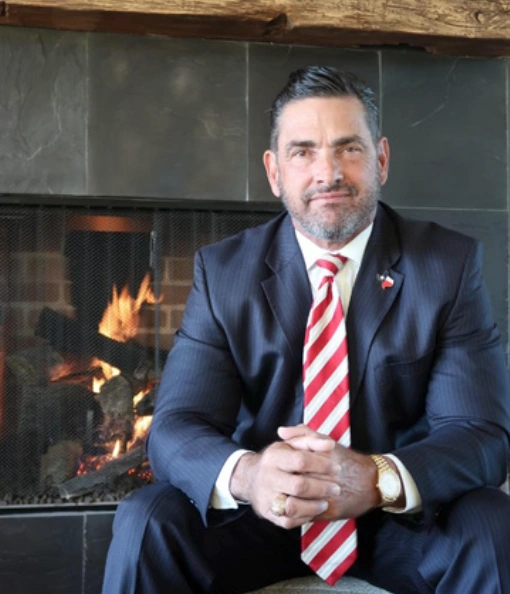
Sam R. Cammack III is a highly experienced criminal defense lawyer and former prosecutor serving the Houston area with over 20 years of legal expertise. Dedicated to protecting his clients’ rights, he has successfully defended cases ranging from misdemeanors to serious felonies.
Sam received his Bachelor’s Degree in Psychology with honors from the University of Houston and graduated Magna Cum Laude with a Doctorate of Jurisprudence. A standout legal scholar, he finished first in his class in eleven different areas of law, received the prestigious Prima Excellencia award, and interned at the 14th Court of Appeals with Justice Eva Guzman. Known for his sharp analytical skills and strategic defense, he remains steadfast in his pursuit of justice for every client.