
Quick Answer
Houston criminal attorneys do most of their decisive work outside the courtroom — reviewing discovery, preserving evidence, directing investigators, consulting experts, and negotiating. And critically, they do not have to prove your innocence. The State must prove every element beyond a reasonable doubt; that burden never shifts to you. Where guilt is not seriously contested, the work shifts to mitigation — and in Texas, you may elect to have a jury assess punishment.
Six Roles Your Attorney Plays
| 1 | Shield — ends questioning, stops consent searches, prevents the jail call that becomes evidence |
| 2 | Investigator — builds the record police stopped developing once they had a suspect |
| 3 | Negotiator — prosecutors offer better terms to attorneys they believe will try the case |
| 4 | Translator — explains the real punishment range and what each option actually costs you |
| 5 | Advocate — bond hearings, suppression hearings, trial, sentencing |
| 6 | Guide to what follows — record sealing, licensing, firearm rights after the case ends |
Key Takeaways
| You prove nothing. No alibi to establish, no motive to disprove, no obligation to testify. The burden sits entirely with the State and never moves. | |
| Motive is not an element. Prosecutors present one because juries like it, not because the law requires it — so the defense has nothing to disprove. | |
| Texas allows jury sentencing. A defendant may elect to have the jury rather than the judge assess punishment. It is a strategic choice worth understanding. | |
| Mitigation starts before sentencing. Treatment, counseling, or restitution arranged in advance persuades more than any closing argument. | |
| Cross-examination is not improvisation. It is built from reports and prior statements read months earlier. Courtroom skill is mostly preparation. | |
| Identical sentences are not identical deals. Two offers with the same jail time can differ entirely on immigration, licensing, custody, and future enhancement. |
This content is general information, not legal advice. Past results do not guarantee a similar outcome.
Ways Houston Criminal Lawyers Can Help You
When facing a criminal charge, you need to find a lawyer immediately. Houston criminal attorneys can ensure that you don’t say anything incriminating to the police and that the process runs fairly. From the moment charges are pressed, keep your Miranda rights in mind — the right to remain silent and the right to an attorney. Get that attorney immediately so they can start working.
One practical note, because it is where most people lose the protection they assumed they had: staying quiet does not invoke your rights. Under Berghuis v. Thompkins, officers may keep questioning someone who simply sits silent. You have to say it out loud and unambiguously — “I am invoking my right to remain silent. I want a lawyer. I do not consent to any searches” — and then stop.
Most of the Work Happens Outside the Courtroom
Many people think Houston criminal attorneys only work inside the courtroom, the way it looks on television. In reality, most attorneys spend far more time on a case outside the courtroom than in it.
What that time actually consists of:
- Reviewing discovery. Offense reports, body camera and dash camera footage, 911 audio, lab results, witness statements. Hours of video get watched frame by frame because timelines rarely match reports as neatly as they appear on paper.
- Sending preservation letters to businesses and apartment complexes before surveillance systems overwrite — often within seven to thirty days.
- Directing an investigator to visit the scene, photograph sight lines and lighting, and canvass for witnesses officers never contacted.
- Consulting independent experts. A toxicologist on blood analysis, a forensic accountant on financial records, an accident reconstructionist, a fire origin-and-cause analyst. Crime lab conclusions are opinions, and opinions can be examined.
- Researching and drafting motions — suppression, expert challenges, motions in limine.
- Negotiating with the prosecutor, often across many conversations, informed by everything above.
None of this is visible to you, and almost none of it happens in a courtroom. But it is where outcomes are determined.
What Your Attorney Does — and Does Not — Have to Prove
Your draft raises an important area, and it is worth being precise about it, because the framing affects strategy.
You are not required to prove anything. The State of Texas must prove every element of the offense beyond a reasonable doubt, and that burden never shifts to you. You are not obligated to prove an alibi, establish that you lacked a motive, or explain anything at all. You have an absolute right not to testify, and the jury is instructed it cannot hold your silence against you.
Motive is not an element of any offense. Prosecutors often present a motive because juries find it satisfying, but a case does not fail without one — and correspondingly, the defense has no obligation to disprove one.
Why this matters practically: a defense organized around proving innocence takes on a burden the law does not impose and is usually the weaker approach. A defense organized around demonstrating the State cannot meet its burden uses the structure the system actually provides. Your attorney may well present affirmative evidence — alibi witnesses, alternative explanations, expert testimony — but as a tactical choice, not an obligation.
Mitigation: When the Question Is Punishment, Not Guilt
If the facts are not seriously in dispute, the fight shifts from whether to what happens next. This is one of the most valuable and least understood things a defense attorney does.
Texas offers something unusual here: a defendant may elect to have the jury assess punishment rather than the judge. That choice is strategic and depends on the case, the court, and the client.
Mitigation work can include:
- Documenting employment history, family responsibilities, military service, and community involvement
- Obtaining records of mental health treatment, substance use disorder, or trauma history where relevant
- Arranging treatment, counseling, or restitution before sentencing, which demonstrates something more persuasive than any argument
- Presenting character witnesses who can speak concretely rather than generically
- Establishing eligibility for community supervision or a specialty court program
The goal is to present the person rather than only the police report. A prosecutor’s file contains an offense. Mitigation shows a life around it.
Specialty Matters
As you look for Houston criminal attorneys to represent you, focus on the attorney’s area of practice. Finding an attorney with a strong background in your type of case can dramatically help. They know the law surrounding the charge and the prior cases that bear on yours.
The reason this matters concretely is that the leverage point differs by charge:
- Drug cases turn on search and seizure — was the stop lawful, was consent valid, did the warrant establish probable cause.
- DWI cases turn on breath instrument maintenance records, blood draw chain of custody, and how field sobriety tests were administered.
- Assault cases turn on Chapter 9 self-defense law, witness credibility, and prior inconsistent statements.
- Fraud and theft cases turn on documents, forensic accounting, and aggregation rules that convert small amounts into felonies.
Same constitution, entirely different pressure points. Ask any attorney you meet what the State’s usual weak points are in your type of case. Someone who works that area answers immediately and specifically.
In the Courtroom
A great deal happens once a case reaches trial. The prosecutor may have developed additional evidence and will work hard to prove the charge. Prosecutors generally push as far as the law and the facts allow, and it falls to the Houston criminal attorneys you hired to push back. This is where it becomes crucial to have a genuinely committed lawyer — otherwise ground is lost before the case really begins.
What that looks like in practice:
- Jury selection, where cases are frequently won or lost before a single witness testifies
- Cross-examination built from prior statements, reports, and inconsistencies identified months earlier
- Objections that keep improper evidence out and preserve issues for appeal
- Challenges to the State’s experts on methodology, not just conclusions
- Requested jury instructions — self-defense, lesser included offenses, and other charge language that can change a verdict
Note how much of that depends on work completed long before trial. Effective cross-examination is not improvisation; it is the product of having read everything.
The Roles an Attorney Plays
When you are charged, involve Houston criminal attorneys immediately. They are responsible for a great deal and can guide you through the entire process. Attorneys know the law, and that knowledge works in your favor.
Across a case, an attorney functions as several different things:
- A shield. Ending police questioning, stopping consent searches, and preventing the recorded jail call that becomes the State’s best exhibit.
- An investigator. Building the factual record the police never developed, because they stopped looking once they had a suspect.
- A negotiator. Prosecutors calibrate offers based on who they believe is prepared to try the case.
- A translator. Explaining what you are actually facing — the real punishment range, the collateral consequences, and what each option costs you.
- An advocate. In bond hearings, suppression hearings, trial, and sentencing.
- A guide to what comes after. Record sealing eligibility, professional license implications, and firearm rights consequences that outlast any sentence.
That fourth role is undervalued. Two plea offers with identical jail time can differ completely on immigration status, professional licensing, custody proceedings, record sealing eligibility, and whether the conviction enhances a future charge. Knowing which offer is genuinely better requires someone who understands all of it.
First, though, you need to find an attorney in Houston to help you.
Contact us to talk through your case.
Frequently Asked Questions
Do I have to prove I have an alibi or that I had no motive?
What does a defense attorney do when I am not in court?
What is mitigation, and when does it matter?
Can a jury decide my sentence in Texas?
Can I challenge the crime lab results in my case?
Why does my attorney’s trial experience matter if I plan to plead?
Two plea offers have the same jail time. Are they the same deal?
Does my attorney keep helping after the case ends?
The work that changes outcomes starts long before a courtroom. It is better to start it early.
Request a Confidential ConsultationThis content is general information, not legal advice. Past results do not guarantee a similar outcome.
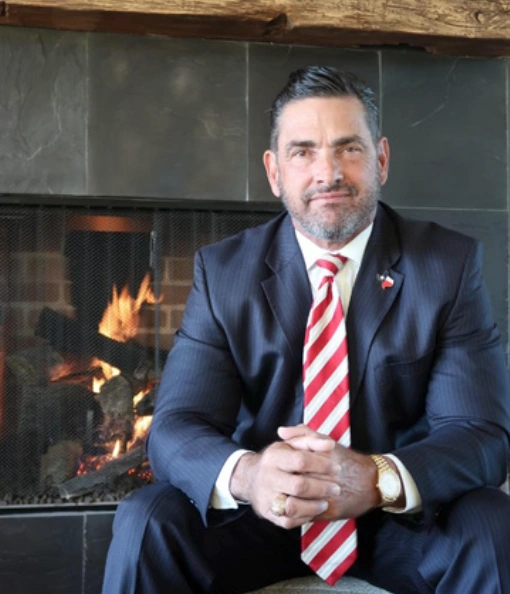
Sam R. Cammack III is a highly experienced criminal defense lawyer and former prosecutor serving the Houston area with over 20 years of legal expertise. Dedicated to protecting his clients’ rights, he has successfully defended cases ranging from misdemeanors to serious felonies.
Sam received his Bachelor’s Degree in Psychology with honors from the University of Houston and graduated Magna Cum Laude with a Doctorate of Jurisprudence. A standout legal scholar, he finished first in his class in eleven different areas of law, received the prestigious Prima Excellencia award, and interned at the 14th Court of Appeals with Justice Eva Guzman. Known for his sharp analytical skills and strategic defense, he remains steadfast in his pursuit of justice for every client.